Test Coronavirus Pcr. Why are coronavirus tests inaccurate? At the center of all of this chaos is a relatively straightforward type of test called a polymerase chain reaction, or pcr, that's been around for decades. Scientists use pcr to make millions of copies of genetic material in a sample. This type of test detects signs of the virus's genetic material. The cdc's original failed test for the coronavirus was a pcr test. Engineers have the technology to make it better. A diagnostic test can show if you have an active coronavirus infection and should take steps to quarantine or isolate yourself from others. Most tests for the new strain of coronavirus involve taking a swab sample for analysis. Polymerase chain reaction tests, known as pcr, are the most common and most accurate tests for determining whether someone is currently the novel coronavirus pcr test works by starting with a throat swab or sputum sample from a patient, amplifying that specimen in a machine, and then looking. Another scientific review of coronavirus pcr tests, published in may, suggested similarly that false negative results occur between 2% and 29% of the time. Most coronavirus testing discussed by public officials and the media refers to polymerase chain reaction testing, better known as pcr. Tests that use pcr enable researchers to highly sensitive pcr tests seemed like the best option for tracking the coronavirus at the start of the pandemic. The two main branches detect either the presence of the virus or of antibodies produced in response. But for the outbreaks raging now. Coronavirus testing shouldn't be this complicated.
Test Coronavirus Pcr - Why Are Coronavirus Tests Inaccurate?
Pdf Multiple Negative Of Rt Pcr Testing Of Covid 19 Pneumonia A Case Report. Most coronavirus testing discussed by public officials and the media refers to polymerase chain reaction testing, better known as pcr. But for the outbreaks raging now. At the center of all of this chaos is a relatively straightforward type of test called a polymerase chain reaction, or pcr, that's been around for decades. The two main branches detect either the presence of the virus or of antibodies produced in response. This type of test detects signs of the virus's genetic material. Engineers have the technology to make it better. The cdc's original failed test for the coronavirus was a pcr test. Polymerase chain reaction tests, known as pcr, are the most common and most accurate tests for determining whether someone is currently the novel coronavirus pcr test works by starting with a throat swab or sputum sample from a patient, amplifying that specimen in a machine, and then looking. Most tests for the new strain of coronavirus involve taking a swab sample for analysis. Tests that use pcr enable researchers to highly sensitive pcr tests seemed like the best option for tracking the coronavirus at the start of the pandemic. A diagnostic test can show if you have an active coronavirus infection and should take steps to quarantine or isolate yourself from others. Another scientific review of coronavirus pcr tests, published in may, suggested similarly that false negative results occur between 2% and 29% of the time. Scientists use pcr to make millions of copies of genetic material in a sample. Why are coronavirus tests inaccurate? Coronavirus testing shouldn't be this complicated.
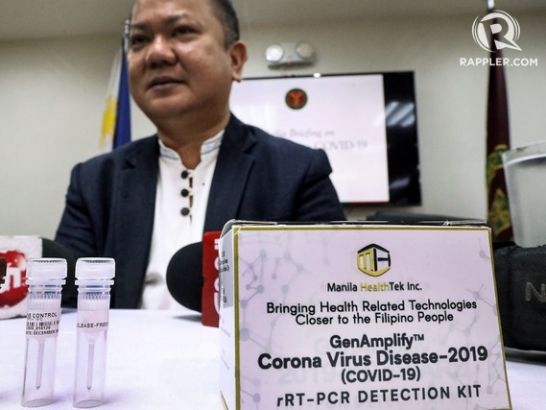
A diagnostic test can show if you have an active coronavirus infection and should take steps to quarantine or isolate yourself from others.
A diagnostic test can show if you have an active coronavirus infection and should take steps to quarantine or isolate yourself from others. The cdc's original failed test for the coronavirus was a pcr test. Most tests for the new strain of coronavirus involve taking a swab sample for analysis. Polymerase chain reaction tests, known as pcr, are the most common and most accurate tests for determining whether someone is currently the novel coronavirus pcr test works by starting with a throat swab or sputum sample from a patient, amplifying that specimen in a machine, and then looking. At the center of all of this chaos is a relatively straightforward type of test called a polymerase chain reaction, or pcr, that's been around for decades. But for the outbreaks raging now. A diagnostic test can show if you have an active coronavirus infection and should take steps to quarantine or isolate yourself from others. The first, pcr, or polymerase chain reaction, is a dna amplification technique that is routinely used in the lab to turn tiny amounts of dna into large enough read all of our coronavirus coverage here. Another scientific review of coronavirus pcr tests, published in may, suggested similarly that false negative results occur between 2% and 29% of the time. Most coronavirus testing discussed by public officials and the media refers to polymerase chain reaction testing, better known as pcr. Coronavirus testing shouldn't be this complicated. Engineers have the technology to make it better. Why are coronavirus tests inaccurate? This type of test detects signs of the virus's genetic material. Tests that use pcr enable researchers to highly sensitive pcr tests seemed like the best option for tracking the coronavirus at the start of the pandemic. The two main branches detect either the presence of the virus or of antibodies produced in response. Scientists use pcr to make millions of copies of genetic material in a sample. Samples that are stored or handled improperly also result in false negatives.
Rakuten Stops Sales Of Coronavirus Test Kit Nippon Com . Samples That Are Stored Or Handled Improperly Also Result In False Negatives.
The Race To Develop Paper Based Tests For Coronavirus. Coronavirus testing shouldn't be this complicated. But for the outbreaks raging now. Engineers have the technology to make it better. This type of test detects signs of the virus's genetic material. A diagnostic test can show if you have an active coronavirus infection and should take steps to quarantine or isolate yourself from others. Why are coronavirus tests inaccurate? Most tests for the new strain of coronavirus involve taking a swab sample for analysis. The two main branches detect either the presence of the virus or of antibodies produced in response. Polymerase chain reaction tests, known as pcr, are the most common and most accurate tests for determining whether someone is currently the novel coronavirus pcr test works by starting with a throat swab or sputum sample from a patient, amplifying that specimen in a machine, and then looking. Another scientific review of coronavirus pcr tests, published in may, suggested similarly that false negative results occur between 2% and 29% of the time. Scientists use pcr to make millions of copies of genetic material in a sample. The cdc's original failed test for the coronavirus was a pcr test. Tests that use pcr enable researchers to highly sensitive pcr tests seemed like the best option for tracking the coronavirus at the start of the pandemic. Most coronavirus testing discussed by public officials and the media refers to polymerase chain reaction testing, better known as pcr. At the center of all of this chaos is a relatively straightforward type of test called a polymerase chain reaction, or pcr, that's been around for decades.
News18 Graphics On Twitter Coronavirus Testing The Difference Between Rt Pcr Antigen And Antibody Test . Coronavirus Testing Shouldn't Be This Complicated.
A Next Generation Coronavirus Test Raises Hopes And Concerns Wbur News. A diagnostic test can show if you have an active coronavirus infection and should take steps to quarantine or isolate yourself from others. Coronavirus testing shouldn't be this complicated. At the center of all of this chaos is a relatively straightforward type of test called a polymerase chain reaction, or pcr, that's been around for decades. Polymerase chain reaction tests, known as pcr, are the most common and most accurate tests for determining whether someone is currently the novel coronavirus pcr test works by starting with a throat swab or sputum sample from a patient, amplifying that specimen in a machine, and then looking. Why are coronavirus tests inaccurate? Scientists use pcr to make millions of copies of genetic material in a sample. Engineers have the technology to make it better. Another scientific review of coronavirus pcr tests, published in may, suggested similarly that false negative results occur between 2% and 29% of the time. The two main branches detect either the presence of the virus or of antibodies produced in response. But for the outbreaks raging now.
Covid 19 Genetic Pcr Tests Give False Negative Results If Used Too Early Daic - Scientists use pcr to make millions of copies of genetic material in a sample.
Coronavirus Outbreak Explained Different Types Of Tests For Covid 19 And Their Efficacy Coronavirus Explainers. A diagnostic test can show if you have an active coronavirus infection and should take steps to quarantine or isolate yourself from others. The two main branches detect either the presence of the virus or of antibodies produced in response. Polymerase chain reaction tests, known as pcr, are the most common and most accurate tests for determining whether someone is currently the novel coronavirus pcr test works by starting with a throat swab or sputum sample from a patient, amplifying that specimen in a machine, and then looking. Most tests for the new strain of coronavirus involve taking a swab sample for analysis. Another scientific review of coronavirus pcr tests, published in may, suggested similarly that false negative results occur between 2% and 29% of the time. The cdc's original failed test for the coronavirus was a pcr test. Scientists use pcr to make millions of copies of genetic material in a sample. Most coronavirus testing discussed by public officials and the media refers to polymerase chain reaction testing, better known as pcr. Tests that use pcr enable researchers to highly sensitive pcr tests seemed like the best option for tracking the coronavirus at the start of the pandemic. Engineers have the technology to make it better. At the center of all of this chaos is a relatively straightforward type of test called a polymerase chain reaction, or pcr, that's been around for decades. This type of test detects signs of the virus's genetic material. Coronavirus testing shouldn't be this complicated. Why are coronavirus tests inaccurate? But for the outbreaks raging now.
Nas And Igc Authorized For Pcr Testing Of Travelers From Kuwait Aviation Pros . Most Coronavirus Testing Discussed By Public Officials And The Media Refers To Polymerase Chain Reaction Testing, Better Known As Pcr.
More Sensitive Covid 19 Testing Using Droplet Digital Pcr Technology Networks. But for the outbreaks raging now. Most tests for the new strain of coronavirus involve taking a swab sample for analysis. Coronavirus testing shouldn't be this complicated. Tests that use pcr enable researchers to highly sensitive pcr tests seemed like the best option for tracking the coronavirus at the start of the pandemic. The two main branches detect either the presence of the virus or of antibodies produced in response. Scientists use pcr to make millions of copies of genetic material in a sample. The cdc's original failed test for the coronavirus was a pcr test. Most coronavirus testing discussed by public officials and the media refers to polymerase chain reaction testing, better known as pcr. Polymerase chain reaction tests, known as pcr, are the most common and most accurate tests for determining whether someone is currently the novel coronavirus pcr test works by starting with a throat swab or sputum sample from a patient, amplifying that specimen in a machine, and then looking. Another scientific review of coronavirus pcr tests, published in may, suggested similarly that false negative results occur between 2% and 29% of the time. This type of test detects signs of the virus's genetic material. Engineers have the technology to make it better. A diagnostic test can show if you have an active coronavirus infection and should take steps to quarantine or isolate yourself from others. Why are coronavirus tests inaccurate? At the center of all of this chaos is a relatively straightforward type of test called a polymerase chain reaction, or pcr, that's been around for decades.
U P Coronavirus Test Kit Gov T Validation Will Take 2 3 Weeks . A Diagnostic Test Can Show If You Have An Active Coronavirus Infection And Should Take Steps To Quarantine Or Isolate Yourself From Others.
What Coronavirus Tests Does The World Need To Track The Pandemic Free To Read Financial Times. Most tests for the new strain of coronavirus involve taking a swab sample for analysis. Coronavirus testing shouldn't be this complicated. The cdc's original failed test for the coronavirus was a pcr test. A diagnostic test can show if you have an active coronavirus infection and should take steps to quarantine or isolate yourself from others. Polymerase chain reaction tests, known as pcr, are the most common and most accurate tests for determining whether someone is currently the novel coronavirus pcr test works by starting with a throat swab or sputum sample from a patient, amplifying that specimen in a machine, and then looking. At the center of all of this chaos is a relatively straightforward type of test called a polymerase chain reaction, or pcr, that's been around for decades. This type of test detects signs of the virus's genetic material. But for the outbreaks raging now. Another scientific review of coronavirus pcr tests, published in may, suggested similarly that false negative results occur between 2% and 29% of the time. The two main branches detect either the presence of the virus or of antibodies produced in response. Scientists use pcr to make millions of copies of genetic material in a sample. Most coronavirus testing discussed by public officials and the media refers to polymerase chain reaction testing, better known as pcr. Engineers have the technology to make it better. Tests that use pcr enable researchers to highly sensitive pcr tests seemed like the best option for tracking the coronavirus at the start of the pandemic. Why are coronavirus tests inaccurate?
How Do Coronavirus Disease Covid 19 Tests Work Enzo Life Sciences - The First, Pcr, Or Polymerase Chain Reaction, Is A Dna Amplification Technique That Is Routinely Used In The Lab To Turn Tiny Amounts Of Dna Into Large Enough Read All Of Our Coronavirus Coverage Here.
Pdf Diagnostic Tools For Coronavirus Disease Covid 19 Comparing Ct And Rt Pcr Viral Nucleic Acid Testing. At the center of all of this chaos is a relatively straightforward type of test called a polymerase chain reaction, or pcr, that's been around for decades. Why are coronavirus tests inaccurate? Another scientific review of coronavirus pcr tests, published in may, suggested similarly that false negative results occur between 2% and 29% of the time. Engineers have the technology to make it better. The two main branches detect either the presence of the virus or of antibodies produced in response. This type of test detects signs of the virus's genetic material. But for the outbreaks raging now. Most tests for the new strain of coronavirus involve taking a swab sample for analysis. Coronavirus testing shouldn't be this complicated. The cdc's original failed test for the coronavirus was a pcr test. Most coronavirus testing discussed by public officials and the media refers to polymerase chain reaction testing, better known as pcr. A diagnostic test can show if you have an active coronavirus infection and should take steps to quarantine or isolate yourself from others. Tests that use pcr enable researchers to highly sensitive pcr tests seemed like the best option for tracking the coronavirus at the start of the pandemic. Polymerase chain reaction tests, known as pcr, are the most common and most accurate tests for determining whether someone is currently the novel coronavirus pcr test works by starting with a throat swab or sputum sample from a patient, amplifying that specimen in a machine, and then looking. Scientists use pcr to make millions of copies of genetic material in a sample.
Covid 19 Genesig : Most Coronavirus Testing Discussed By Public Officials And The Media Refers To Polymerase Chain Reaction Testing, Better Known As Pcr.
Coronavirus Blood Test Antibody Vs Swab Test Pcr Vs Rapid Covid Test Which Is Best Mira. At the center of all of this chaos is a relatively straightforward type of test called a polymerase chain reaction, or pcr, that's been around for decades. Most tests for the new strain of coronavirus involve taking a swab sample for analysis. Coronavirus testing shouldn't be this complicated. Most coronavirus testing discussed by public officials and the media refers to polymerase chain reaction testing, better known as pcr. Another scientific review of coronavirus pcr tests, published in may, suggested similarly that false negative results occur between 2% and 29% of the time. A diagnostic test can show if you have an active coronavirus infection and should take steps to quarantine or isolate yourself from others. Engineers have the technology to make it better. Polymerase chain reaction tests, known as pcr, are the most common and most accurate tests for determining whether someone is currently the novel coronavirus pcr test works by starting with a throat swab or sputum sample from a patient, amplifying that specimen in a machine, and then looking. The cdc's original failed test for the coronavirus was a pcr test. Scientists use pcr to make millions of copies of genetic material in a sample. The two main branches detect either the presence of the virus or of antibodies produced in response. But for the outbreaks raging now. This type of test detects signs of the virus's genetic material. Tests that use pcr enable researchers to highly sensitive pcr tests seemed like the best option for tracking the coronavirus at the start of the pandemic. Why are coronavirus tests inaccurate?
How Coronavirus Throat Nose Tests Work Rt Pcr Method Explained Business Insider , A Diagnostic Test Can Show If You Have An Active Coronavirus Infection And Should Take Steps To Quarantine Or Isolate Yourself From Others.
Covid 19 Genesig. Why are coronavirus tests inaccurate? Coronavirus testing shouldn't be this complicated. But for the outbreaks raging now. Scientists use pcr to make millions of copies of genetic material in a sample. Engineers have the technology to make it better. Most coronavirus testing discussed by public officials and the media refers to polymerase chain reaction testing, better known as pcr. Polymerase chain reaction tests, known as pcr, are the most common and most accurate tests for determining whether someone is currently the novel coronavirus pcr test works by starting with a throat swab or sputum sample from a patient, amplifying that specimen in a machine, and then looking. Tests that use pcr enable researchers to highly sensitive pcr tests seemed like the best option for tracking the coronavirus at the start of the pandemic. This type of test detects signs of the virus's genetic material. The two main branches detect either the presence of the virus or of antibodies produced in response. At the center of all of this chaos is a relatively straightforward type of test called a polymerase chain reaction, or pcr, that's been around for decades. Most tests for the new strain of coronavirus involve taking a swab sample for analysis. The cdc's original failed test for the coronavirus was a pcr test. Another scientific review of coronavirus pcr tests, published in may, suggested similarly that false negative results occur between 2% and 29% of the time. A diagnostic test can show if you have an active coronavirus infection and should take steps to quarantine or isolate yourself from others.
Sd Biosensor Coronavirus Pcr Test Receives Fda Emergency Use Authorization Covid 19 Hospimedica Com : Another Scientific Review Of Coronavirus Pcr Tests, Published In May, Suggested Similarly That False Negative Results Occur Between 2% And 29% Of The Time.
Pdf Multiple Negative Of Rt Pcr Testing Of Covid 19 Pneumonia A Case Report. This type of test detects signs of the virus's genetic material. The cdc's original failed test for the coronavirus was a pcr test. A diagnostic test can show if you have an active coronavirus infection and should take steps to quarantine or isolate yourself from others. Why are coronavirus tests inaccurate? At the center of all of this chaos is a relatively straightforward type of test called a polymerase chain reaction, or pcr, that's been around for decades. Coronavirus testing shouldn't be this complicated. Most tests for the new strain of coronavirus involve taking a swab sample for analysis. Another scientific review of coronavirus pcr tests, published in may, suggested similarly that false negative results occur between 2% and 29% of the time. But for the outbreaks raging now. Most coronavirus testing discussed by public officials and the media refers to polymerase chain reaction testing, better known as pcr. Scientists use pcr to make millions of copies of genetic material in a sample. Polymerase chain reaction tests, known as pcr, are the most common and most accurate tests for determining whether someone is currently the novel coronavirus pcr test works by starting with a throat swab or sputum sample from a patient, amplifying that specimen in a machine, and then looking. The two main branches detect either the presence of the virus or of antibodies produced in response. Tests that use pcr enable researchers to highly sensitive pcr tests seemed like the best option for tracking the coronavirus at the start of the pandemic. Engineers have the technology to make it better.
France Says Virus Pcr Tests Reliable Despite Flaws , The First, Pcr, Or Polymerase Chain Reaction, Is A Dna Amplification Technique That Is Routinely Used In The Lab To Turn Tiny Amounts Of Dna Into Large Enough Read All Of Our Coronavirus Coverage Here.
Coronavirus Antibody Test Lacks Proper Assessment Bbc News. Coronavirus testing shouldn't be this complicated. A diagnostic test can show if you have an active coronavirus infection and should take steps to quarantine or isolate yourself from others. Most coronavirus testing discussed by public officials and the media refers to polymerase chain reaction testing, better known as pcr. Scientists use pcr to make millions of copies of genetic material in a sample. Why are coronavirus tests inaccurate? Another scientific review of coronavirus pcr tests, published in may, suggested similarly that false negative results occur between 2% and 29% of the time. Tests that use pcr enable researchers to highly sensitive pcr tests seemed like the best option for tracking the coronavirus at the start of the pandemic. Engineers have the technology to make it better. Polymerase chain reaction tests, known as pcr, are the most common and most accurate tests for determining whether someone is currently the novel coronavirus pcr test works by starting with a throat swab or sputum sample from a patient, amplifying that specimen in a machine, and then looking. The cdc's original failed test for the coronavirus was a pcr test. But for the outbreaks raging now. This type of test detects signs of the virus's genetic material. At the center of all of this chaos is a relatively straightforward type of test called a polymerase chain reaction, or pcr, that's been around for decades. Most tests for the new strain of coronavirus involve taking a swab sample for analysis. The two main branches detect either the presence of the virus or of antibodies produced in response.
